
Introduction: Understanding the Role of a Portfolio Manager
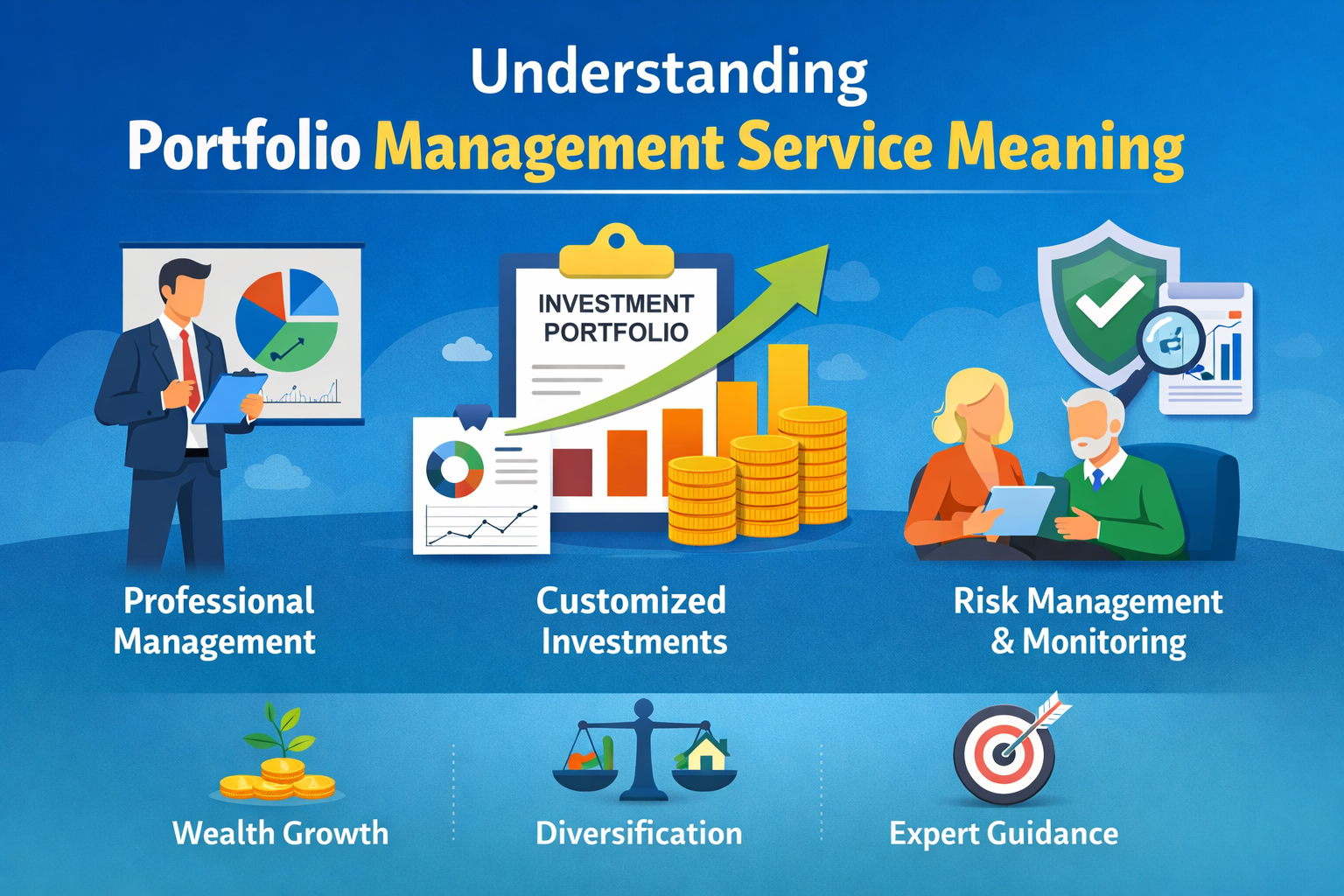
A portfolio manager plays a central role in the world of investments, guiding individuals and organizations toward smarter financial decisions. When someone wonders what does a portfolio manager do, the simple answer is that they manage investment portfolios to help clients achieve long-term financial goals. However, the actual job is far more detailed and strategic. Portfolio managers blend financial expertise, market understanding, and risk management to create investment plans tailored to each client’s needs. Their job includes researching markets, studying economic trends, evaluating securities, and constantly monitoring investments for better performance.
In addition to selecting the right assets, portfolio managers also act as financial advisors who understand clients’ risk appetite, investment timeline, and expected returns. They regularly review goals and adjust strategies whenever market conditions shift. This means a portfolio manager is not only responsible for choosing investments but also for ensuring those investments remain aligned with a client’s changing financial situation. From individuals seeking retirement plans to multinational corporations managing millions, portfolio managers support financial growth by balancing risk and reward with a carefully structured approach.
What Does a Portfolio Manager Do? (Core Responsibilities)
A portfolio manager’s primary responsibility is to design investment strategies that maximize returns while minimizing risk. They evaluate stocks, bonds, mutual funds, ETFs, real estate, commodities, and sometimes even alternative assets like cryptocurrencies or hedge funds. Understanding what does a portfolio manager do involves recognizing that they don’t rely on guesswork. Instead, they use deep financial analysis, data interpretation, and predictive modeling to identify opportunities that align with client goals. They continuously compare investment performance with benchmarks, ensuring that the portfolio stays competitive and adjusted for market volatility.
Another major part of a portfolio manager’s job is active monitoring and decision-making. Markets move fast, and even the most well-planned investment strategy needs constant review. Portfolio managers rebalance portfolios, buy new assets, sell underperforming ones, and make adjustments whenever necessary. Their ability to respond quickly and accurately to market changes helps protect clients’ investments from unnecessary losses. They often work closely with research analysts, economists, and financial advisors, combining data and expertise to make the best decisions. Ultimately, portfolio managers play a strategic role by transforming investment goals into actionable, profitable plans.
Types of Portfolio Managers: Who Manages Your Investments?
There are several types of portfolio managers, and each caters to different investment needs. One category is discretionary portfolio managers, who have the authority to make buy and sell decisions without seeking client approval every time. This approach is fast and efficient, allowing the manager to act immediately when market opportunities arise. Understanding what does a portfolio manager do in this context means recognizing that discretionary managers take full responsibility for the results of the portfolio. They must follow strict guidelines, maintain transparency, and ensure every decision aligns with the client’s predefined goals.
On the other hand, non-discretionary portfolio managers work in collaboration with clients, providing recommendations but seeking approval before making changes. This type is preferred by clients who want more control over their investments. Additionally, there are specialized portfolio managers who focus on a specific asset class, such as equity managers handling stocks or fixed-income managers handling bonds. Institutional portfolio managers handle investments for banks, insurance companies, pension funds, and large enterprises. Retail portfolio managers focus on individuals and families. Each type requires unique expertise, but the fundamental purpose remains the same—strategically managing investments for optimal returns.
Daily Tasks of a Portfolio Manager
A portfolio manager’s day-to-day tasks revolve around research, analysis, and decision-making. They start by reviewing overnight market activity, global news, economic reports, and performance data. This helps them understand how external factors may impact the portfolio. They then analyze financial statements, study stock performance, compare valuation metrics, and identify potential risks. Understanding what does a portfolio manager do on a daily basis shows how deeply involved they are in financial research. Their role demands constant attention to detail and an ability to interpret complex data accurately.
Meetings are also a crucial part of their daily routine. Portfolio managers interact with analysts, financial planners, and sometimes directly with clients to discuss strategy and performance. They evaluate whether the current investment mix is on track to achieve goals or if changes are needed. Throughout the day, they monitor portfolios, execute trades, rebalance allocations, and look for new opportunities. They also prepare reports that show performance metrics, explaining gains or losses and predicting future trends. This daily cycle ensures that the portfolio remains healthy, updated, and aligned with long-term financial objectives.
Skills Required to Become a Portfolio Manager
An effective portfolio manager needs strong analytical skills, as they must evaluate large amounts of financial data. Their job requires an understanding of statistics, economics, market psychology, and investment principles. When exploring what does a portfolio manager do, it becomes clear that their decisions must rely on logic, data, and strategic planning. They also need excellent risk-management skills because protecting capital is as important as growing it. Understanding market cycles, identifying risky assets, and diversifying investments are essential for long-term portfolio stability.
Communication skills are equally important. Portfolio managers must explain complex financial concepts to clients in simple language, build trust, and ensure transparency. They also need emotional intelligence to handle stress, especially during volatile market conditions. Time management, discipline, patience, and decision-making abilities play a major role in their success. Many portfolio managers also pursue certifications like CFA (Chartered Financial Analyst) to strengthen their credibility and knowledge base. Overall, the combination of technical skills and interpersonal skills is what makes a portfolio manager truly effective.
How Portfolio Managers Use Risk Management
Risk management is the backbone of portfolio management. Without proper risk assessment, even the best investment strategy can fail. Portfolio managers evaluate risk at multiple levels—market risk, credit risk, liquidity risk, inflation risk, and interest rate risk. When people ask what does a portfolio manager do, risk management is one of the most essential answers. They use tools like diversification, hedging, stop-loss strategies, and asset allocation to reduce risk and safeguard investments. This helps ensure that clients do not suffer heavy losses when markets fluctuate.
They also use modeling techniques such as Value-at-Risk (VaR), stress testing, and scenario analysis to predict how a portfolio might behave in different economic environments. In addition, portfolio managers communicate risk clearly to clients so they understand the potential outcomes of their decisions. Their ability to balance risk with reward separates them from average investors. A well-managed portfolio not only grows wealth but also provides stability, even in uncertain market conditions. By maintaining a strong risk-management framework, portfolio managers create long-term financial confidence for clients.
Why Portfolio Managers Are Important for Investors
Portfolio managers bring expertise that most individual investors do not possess. They understand the nuances of market movements, asset behavior, and global trends. When considering what does a portfolio manager do, it is important to recognize that they provide structure and strategy to the investment process. Without professional guidance, many investors make emotional decisions, react to market fear, or choose investments without proper analysis. Portfolio managers prevent these mistakes by applying discipline and strategy.
Their importance also lies in the time and effort they save for clients. Monitoring markets, studying investments, and making informed decisions take hours every day—not something most individuals can manage alongside their work and personal life. Portfolio managers handle this workload efficiently while keeping clients updated. They act as long-term partners, helping investors achieve goals like retirement planning, buying property, business expansion, or building generational wealth. Their knowledge, strategy, and experience make them an essential part of successful investing.
Conclusion: Final Thoughts on What a Portfolio Manager Does
To summarize, understanding what does a portfolio manager do is essential for anyone planning to invest wisely. They analyze markets, build investment strategies, monitor portfolios, and balance risk with reward. Their job goes far beyond simply picking stocks—they guide financial growth with expertise and discipline. By studying economic trends, adjusting strategies, and maintaining continuous communication, portfolio managers ensure that investments stay aligned with long-term financial goals.
For individuals or companies looking for structured financial planning, a portfolio manager can make the difference between inconsistent results and steady growth. Their skills, insights, and decision-making abilities provide a strong foundation for building wealth. Whether you’re a first-time investor or an experienced one, having a portfolio manager gives you confidence, security, and strategic direction. In the ever-changing world of finance, their role remains crucial and irreplaceable.