Introduction: Understanding the Role of a Project Portfolio Manager
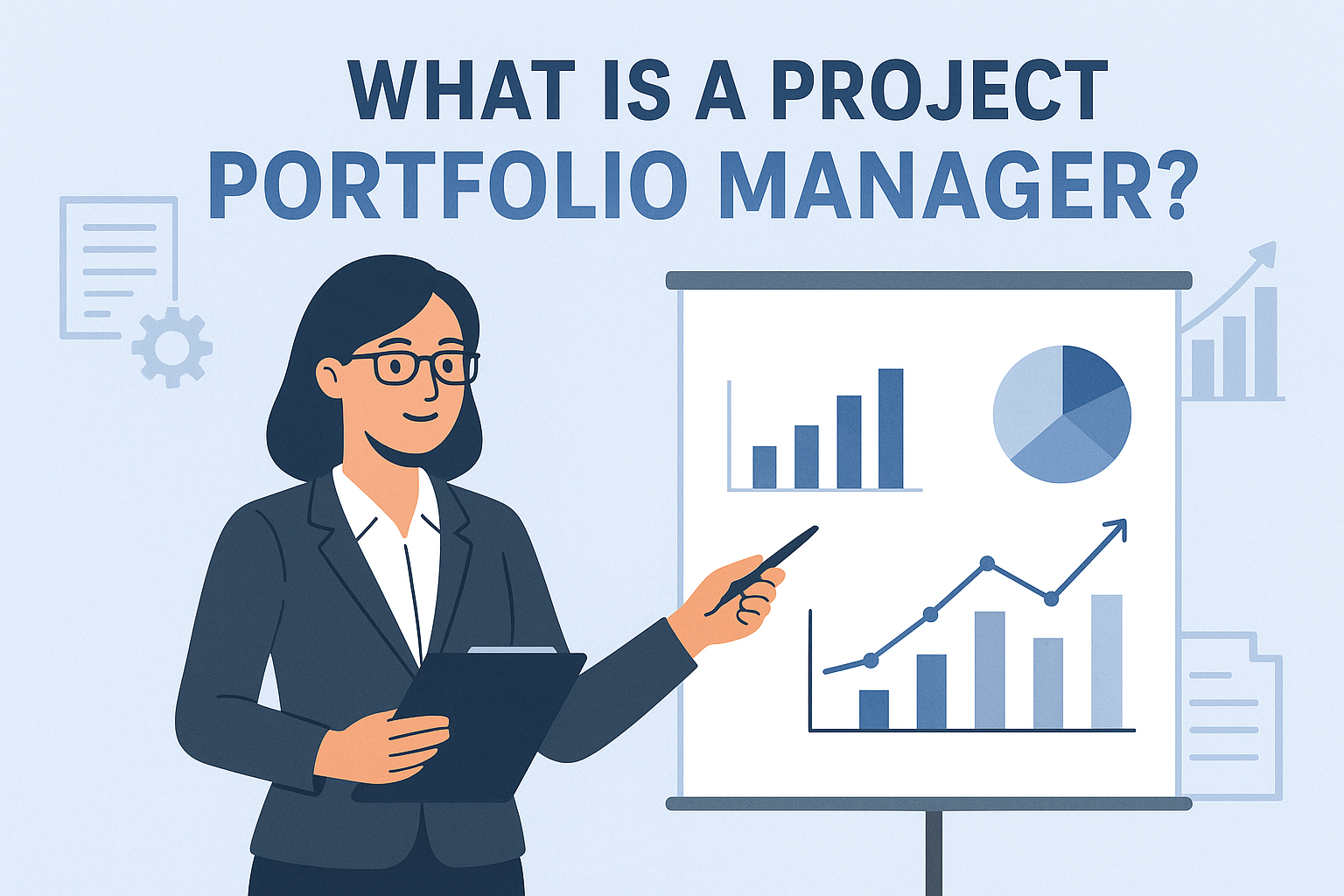
What is a project portfolio manager? In today’s fast-moving business environment, companies handle multiple projects at the same time—from product launches to marketing campaigns to technology upgrades. Managing these projects individually is not enough because each one consumes money, time, and human effort. A project portfolio manager is a strategic professional who oversees all these projects together as a group, known as a project portfolio. Their job is to ensure that every project contributes to the company’s larger goals while optimizing resources and reducing risks. They help leadership make smarter decisions by selecting the right projects and stopping the wrong ones before they waste time or budget.
The growing demand for digital transformation has made this role even more important. Modern organizations—from startups to large enterprises—rely on project portfolio managers to analyze data, improve performance, and create strong alignment between strategy and execution. Without this role, businesses often end up juggling too many projects, missing deadlines, or running over budget. That is why understanding what is a project portfolio manager has become essential for professionals, business owners, and aspiring project leaders looking to grow their careers in 2025 and beyond.
Why the Role Exists: The Importance of a Project Portfolio Manager
Most businesses fail not because they don’t have good ideas but because they fail to manage priorities correctly. This is where the role of a project portfolio manager becomes crucial. Their key responsibility is prioritizing the right mix of projects that deliver the most value. They evaluate every project based on cost, risk, deadlines, required skills, and expected benefits. This ensures that resources are not wasted on low-value projects when high-impact ones are waiting. Understanding what is a project portfolio manager gives insight into how they drive efficiency and maximize ROI for organizations.
Another important reason this role exists is risk management. Companies handle various types of risks—financial, operational, technological, and market-related. A project portfolio manager identifies these risks early and builds strategies to control or avoid them. They also monitor progress across multiple departments, ensuring consistency and smooth communication. Without a strong project portfolio manager, companies often experience confusion, duplicated efforts, or delays caused by poor coordination. Their presence ensures strategic clarity and helps maintain balance across the entire portfolio.
Key Responsibilities of a Project Portfolio Manager
To understand what is a project portfolio manager, it’s essential to know their core responsibilities. One of their primary tasks is evaluating and selecting projects. They develop frameworks to assess proposals, measure potential returns, and decide whether a project should be approved or rejected. Once the project is added to the portfolio, they continue to review performance metrics, financial data, and team capacity to guide actions that improve success rates. They also ensure resources—like time, budget, and manpower—are allocated smartly across all projects.
Another major responsibility is reporting and communication. The project portfolio manager acts as the bridge between project teams and senior leadership. They prepare reports, dashboards, and presentations that highlight progress, risks, and strategic alignment. Additionally, they track performance trends and recommend changes to improve overall portfolio health. Whether it’s adjusting timelines, reallocating funds, or ending underperforming projects, the project portfolio manager plays a major strategic role in guiding leadership decisions.
Skills Required to Become a Successful Project Portfolio Manager
Now that we know what is a project portfolio manager, let’s explore the essential skills required for this role. First, they need strong analytical skills. They must review complex datasets, financial projections, and project metrics to make data-driven decisions. Strategic thinking is another crucial skill because they must see the bigger picture and understand how each project impacts long-term business goals. Communication skills are equally important because they work closely with teams, stakeholders, and executives.
Apart from these, technical skills also play a significant role. Many companies use project portfolio management (PPM) software like Microsoft Project, Jira, Asana, or Monday.com. A project portfolio manager should know how to use these tools for scheduling, reporting, and resource management. Leadership and negotiation skills are also essential because they need to convince teams, resolve conflicts, and gain approval for strategic decisions. With the right blend of technical, analytical, and interpersonal skills, anyone can build a strong career in project portfolio management.
How Project Portfolio Managers Help Businesses Grow
When businesses understand what is a project portfolio manager, they realize how critical this role is for long-term growth. A project portfolio manager enables companies to invest in projects that generate the highest returns. They ensure resources are used wisely and that teams are aligned toward common goals. This creates a structured and predictable environment where projects are executed efficiently, reducing delays and improving profitability. Their strategies directly impact revenue, cost savings, and operational performance.
Another way they help businesses grow is by enabling innovation. Companies often struggle to balance daily operations with new ideas. A project portfolio manager helps create a structured process for evaluating and prioritizing innovative initiatives. They identify opportunities that align with future market trends and ensure that these ideas get the right support. By managing risk, improving collaboration, and evaluating project performance, they help organizations stay competitive and adaptable in a constantly changing market.
Tools and Software Used by Project Portfolio Managers
To fully understand what is a project portfolio manager, you must know about the tools they use. Project portfolio managers rely heavily on software to handle planning, scheduling, budget management, and reporting. Popular tools include Microsoft Project, Jira Portfolio, Asana, Trello, Monday.com, Smartsheet, and Wrike. These tools help create dashboards, track KPIs, and manage multiple projects at once. They also make it easier to share data with teams and leadership, improving transparency and communication.
These tools also support automation and real-time updates. For example, resource allocation tools help identify overworked or underutilized team members. Budget tracking features highlight financial risks before they become major issues. Performance dashboards allow managers to monitor each project’s progress without manually collecting data. This enhances productivity and ensures that decisions are made based on accurate, up-to-date information. As technology continues to evolve, using the right software becomes a key part of the project portfolio manager’s role.
Difference Between Project Manager and Project Portfolio Manager
Many people confuse the roles of a project manager and a project portfolio manager. Understanding this difference helps clarify what is a project portfolio manager and how they contribute to the organization. A project manager focuses on executing a single project. Their responsibility is to deliver that project on time, within budget, and with the desired quality. They manage day-to-day tasks, coordinate with teams, and resolve operational issues related to one specific project.
A project portfolio manager, on the other hand, operates at a much higher strategic level. They manage multiple projects at once, ensuring alignment with business goals. Instead of focusing on task execution, they focus on evaluating project impact, optimizing resource distribution, reducing risk, and guiding leadership decisions. In simple terms, a project manager ensures the success of one project, while a project portfolio manager ensures the success of all projects combined. This makes their role essential for large organizations handling complex portfolios.
Career Path and Salary Expectations
If you’re exploring what is a project portfolio manager for career purposes, the role offers excellent growth potential. Many professionals start as project coordinators or project managers and gradually move into portfolio management after gaining experience. Certifications like PMP (Project Management Professional), PfMP (Portfolio Management Professional), and PMI-ACP can significantly boost credibility and job prospects. With the right skill set, professionals can progress to roles like Program Manager, Portfolio Director, and Chief Project Officer (CPO).
In terms of salary, project portfolio managers are among the highest-paid professionals in the project management field. Salaries vary depending on experience, company size, and location, but the average range is competitive. In global markets, experienced PPM professionals often earn more due to the strategic nature of their work. The increasing demand for digital transformation, data-driven decision-making, and efficient resource management ensures strong long-term career stability.
Conclusion: Why Every Business Needs a Project Portfolio Manager
Understanding what is a project portfolio manager helps businesses realize the value of strategic oversight. Today’s market demands efficiency, innovation, and strong alignment between business goals and project execution. A project portfolio manager ensures that every project supports long-term growth by optimizing resources, balancing risks, and prioritizing high-value opportunities. Without this role, companies often struggle with confusion, inefficiency, and poor decision-making.
Whether you are a business owner looking to improve project performance or a professional planning a career in project management, learning about this role is essential. As companies continue investing in digital tools and innovation, the demand for skilled portfolio managers will only increase. Mastering these skills opens doors to high-impact, high-growth opportunities across industries.