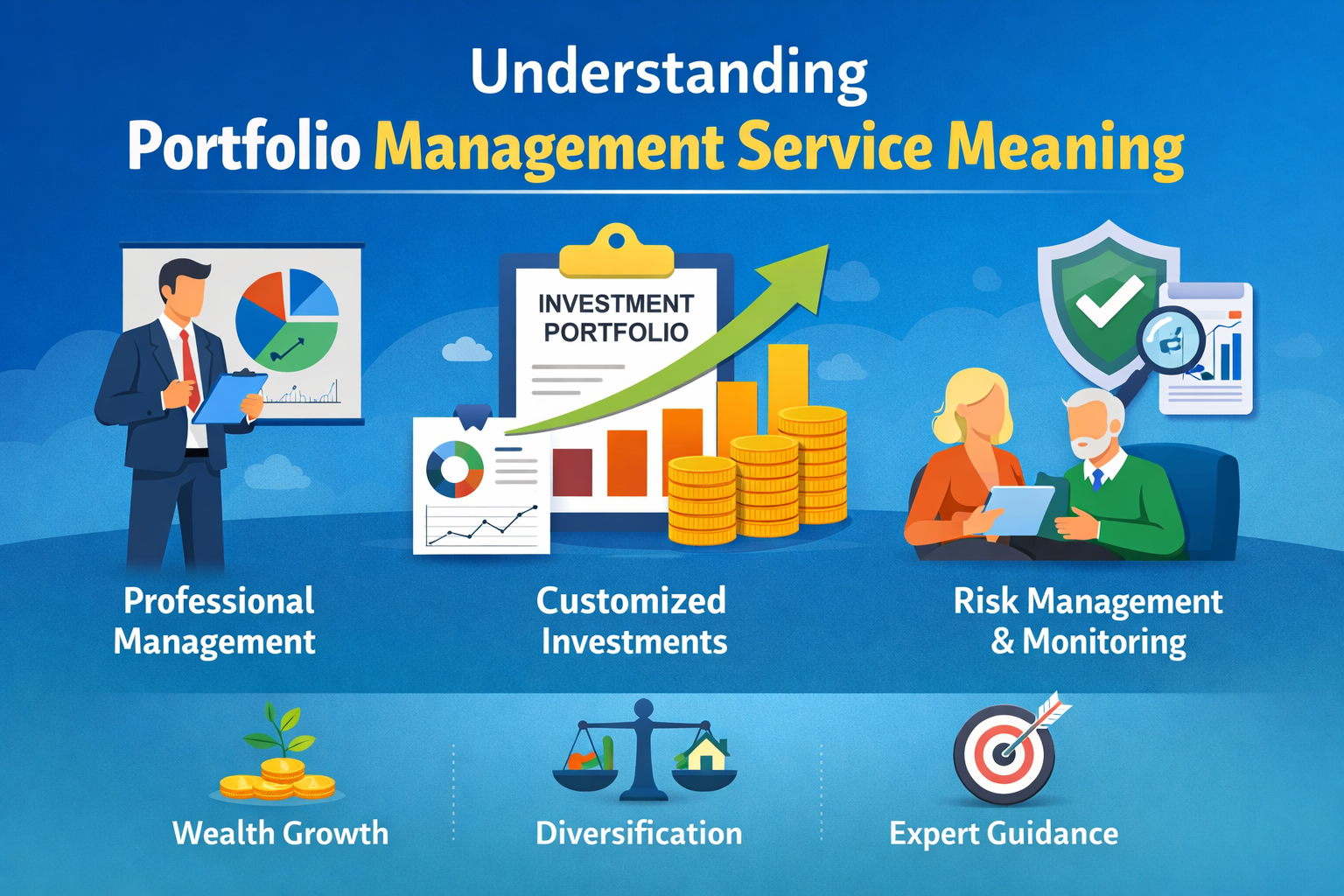
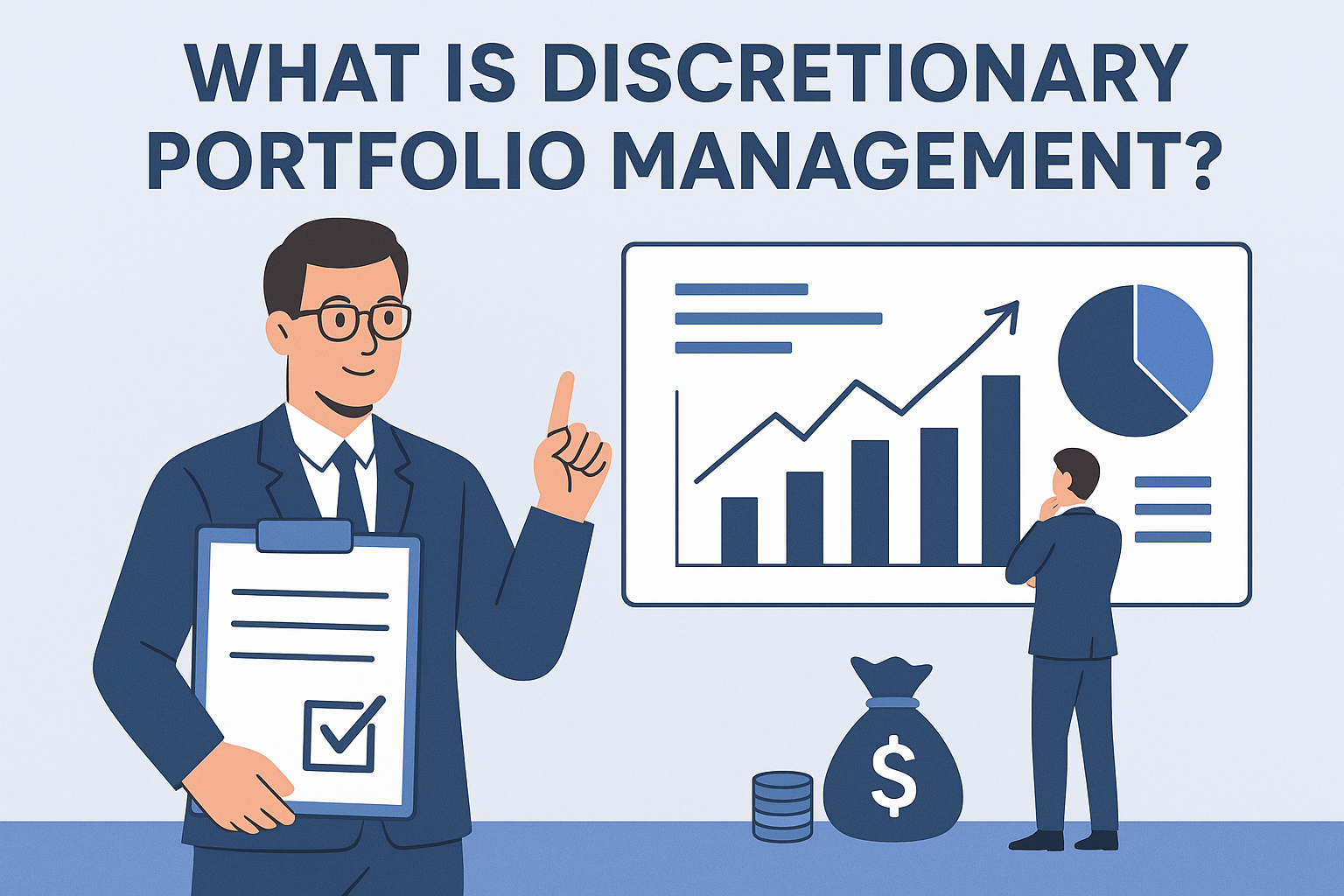
Discretionary portfolio management is an increasingly popular investment approach for individuals who want professional financial management without being involved in every single decision. In simple terms, discretionary portfolio management means you hand over the day-to-day decision-making authority to a qualified portfolio manager or investment firm. They make buy, sell, and allocation decisions on your behalf, based on your risk appetite, financial goals, and investment horizon. This approach offers convenience, expert oversight, and continuous monitoring, making it ideal for investors who lack the time or expertise to manage their portfolios actively. The portfolio manager uses research, market trends, and financial analysis to maintain and grow your investments in a structured and strategic manner.
Many people search for what is discretionary portfolio management because they want to understand the difference between this service and traditional investing. The core idea is that the investor gives freedom to the manager to execute investment decisions without seeking approval for every trade. This eliminates delays and allows the manager to respond quickly to market changes. Discretionary management is typically used by high-net-worth individuals, busy professionals, and anyone looking for a personalized yet hands-off investment experience. While it offers several advantages such as expert handling, diversification, and faster execution, it also requires a high level of trust, transparency, and a clear understanding of the investment strategy between the investor and the manager.
How Discretionary Portfolio Management Works
Discretionary portfolio management starts with an in-depth discussion between the investor and the portfolio manager. This includes understanding your financial objectives, such as long-term wealth creation, retirement planning, children’s education, or capital preservation. The manager also evaluates your risk tolerance—whether you prefer aggressive growth, moderate balancing, or conservative investing. Based on this assessment, they create a customized investment strategy aligned with your goals. Once the strategy is finalized, the manager receives the authority to make investment decisions independently. This means they can buy stocks, sell bonds, reallocate assets, or adjust the portfolio without seeking approval for every move.
The portfolio manager continuously monitors the markets, economic indicators, and performance of your investments. Because they have discretionary power, they can react quickly to opportunities or risks. For example, if a stock becomes overvalued or if global events affect market sentiment, the manager can make immediate changes. Regular reviews are shared with the investor, showing performance, gains, losses, and future expectations. The process ensures efficiency, discipline, and agility—three factors that can significantly improve long-term results. This hands-free model is especially beneficial for investors who want professional guidance but do not want the stress of daily investment decisions.
Difference Between Discretionary & Non-Discretionary Portfolio Management
Many investors researching what is discretionary portfolio management also want to understand how it differs from non-discretionary portfolio management. In a non-discretionary model, the manager suggests investment ideas, but the final decision always lies with the investor. This means no trade can be executed without your approval. You are actively involved in each transaction, which can be helpful for investors who prefer control and have time to review recommendations. However, this also leads to delays and missed opportunities, especially in fast-moving markets.
On the other hand, discretionary portfolio management offers freedom and speed. The investor does not need to approve every trade, allowing the manager to act instantly based on market conditions. This is ideal for individuals who want expert control and a seamless experience. The fundamental difference lies in decision-making power, level of involvement, and trading efficiency. While non-discretionary services suit people who enjoy participating in their investments, discretionary services are designed for those who want convenience, expertise, and a long-term strategic approach without daily involvement. Choosing between the two depends entirely on your personality, financial goals, and how much time you can dedicate to managing your wealth.
Types of Discretionary Portfolio Management Services
Discretionary portfolio management services come in different types depending on the investor’s needs and expectations. The first type is equity-based discretionary management, where the primary focus is on stock market investments. This type aims to generate higher long-term returns by investing in quality companies, growth stocks, and diversified portfolios. Equity-based strategies are usually preferred by investors with higher risk tolerance and longer investment horizons. Another type is fixed-income discretionary management, which includes safer instruments such as bonds, government securities, and corporate debt. This approach offers stability and predictable income, making it ideal for conservative investors or retirees.
There is also hybrid discretionary management, which combines both equity and fixed-income instruments. This model aims to balance growth with safety, making it suitable for moderate-risk investors. Some firms also offer thematic or goal-based discretionary plans, such as retirement plans, children’s education funds, taxation-optimized portfolios, and ethical investing. Each type of discretionary management follows a unique strategy but the overall objective remains the same—delivering consistent, long-term returns aligned with the investor’s risk profile. Choosing the right type depends on personal financial goals, market understanding, and the level of risk an investor is comfortable taking.
Advantages of Discretionary Portfolio Management
The biggest advantage of discretionary portfolio management is professional expertise. Investors gain access to experienced portfolio managers who understand market cycles, financial instruments, and risk management better than the average person. Since the manager makes decisions independently, the portfolio is more dynamic, responsive, and optimized for opportunities. This ensures better overall performance compared to self-managed portfolios. Another major benefit is time-saving. Busy individuals, working professionals, and business owners can enjoy wealth creation without actively tracking markets or studying investment trends.
Additionally, discretionary portfolio management offers superior diversification. Managers spread investments across sectors, asset classes, and categories to minimize risk and maximize returns. The constant monitoring and rebalancing help keep the portfolio aligned with market conditions and long-term goals. Regular reports and performance updates provide transparency while still maintaining a hands-off experience. For investors seeking peace of mind, this model ensures discipline, expert judgment, and smoother long-term growth without emotional decision-making.
Disadvantages & Risks of Discretionary Portfolio Management
While discretionary portfolio management has many advantages, it also comes with certain risks. One of the main concerns is the level of trust required. Since the manager has complete authority over investment decisions, the investor must rely heavily on their expertise, integrity, and judgment. Poor decision-making or misalignment with investor objectives can lead to losses or unsatisfactory performance. This makes it extremely important to choose a reputable and experienced portfolio manager or firm. The second drawback is the cost. Discretionary services often come with higher fees, including management charges, performance fees, and administrative costs, which may reduce total returns for small investors.
Another risk is potential miscommunication. If the investment strategy is not clearly defined at the beginning, the manager may take decisions that do not match the investor’s expectations or risk appetite. Additionally, market volatility always remains a factor. Even the best portfolio managers cannot guarantee gains, especially during global recessions, interest rate fluctuations, or political instability. While discretionary management improves efficiency, investors must still monitor reports, ask questions, and stay involved at a strategic level to ensure that their long-term goals are on track.
Who Should Choose Discretionary Portfolio Management?
Discretionary portfolio management is suitable for investors who prefer a hands-off approach and want professional oversight. It is ideal for high-net-worth individuals, business owners, entrepreneurs, and professionals with limited time to monitor financial markets. Those who lack in-depth investment knowledge also benefit from expert decision-making. This model is especially useful for long-term wealth creators who want disciplined investing, steady growth, and reduced emotional interference. People who frequently travel or manage multiple responsibilities often choose discretionary management because it offers convenience and reliability.
This approach is also appropriate for investors with complex financial goals such as retirement planning, children’s education, or legacy creation. Since the portfolio is continuously monitored and rebalanced, it offers stability even during market fluctuations. However, discretionary management may not be ideal for highly active investors who enjoy making their own decisions. It is also not recommended for individuals who prefer full control over every trade. For those who are comfortable delegating authority and seeking professional guidance, discretionary portfolio management can significantly enhance long-term financial success.
Conclusion
Understanding what is discretionary portfolio management is essential for modern investors who want a structured, professional, and time-efficient investment journey. This model provides expert decision-making, continuous monitoring, and quick execution of trades—all aligned with your financial goals. While it requires trust and comes with certain costs, the benefits often outweigh the drawbacks for investors seeking long-term wealth creation without daily involvement. Discretionary portfolio management bridges the gap between convenience and expertise, offering a balanced and effective way to build a robust financial future.
For anyone looking to simplify their investment process while maximizing returns, discretionary portfolio management is an excellent choice. Whether you are a beginner or an experienced investor, this service offers a powerful combination of strategy, discipline, and professional insight. By choosing the right portfolio manager and maintaining clear communication, you can ensure a smooth and rewarding investment experience for years to come.