Introduction: Why Smart Property Portfolio Management Matters
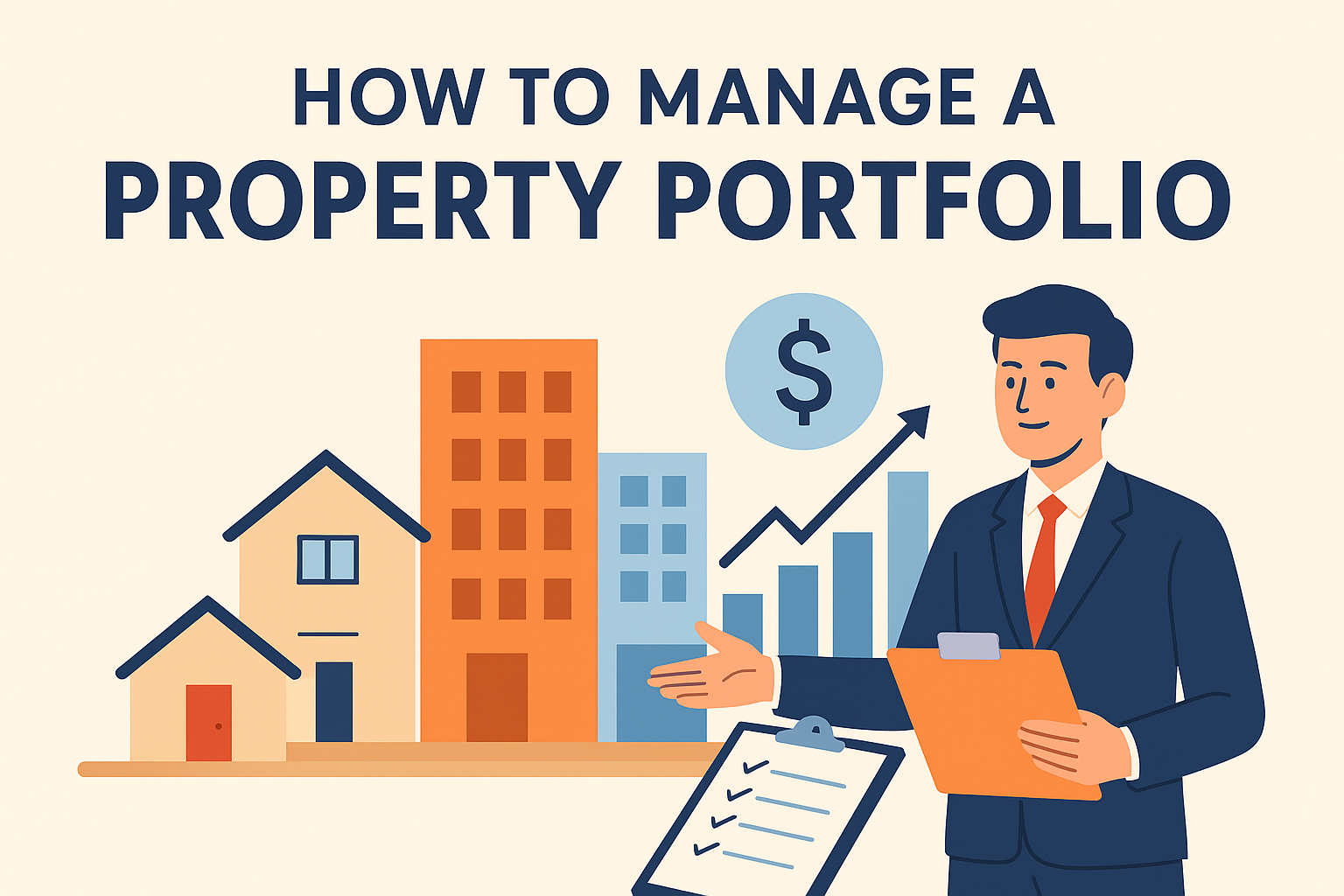
Managing a property portfolio is no longer just about owning multiple real estate assets—it’s about maximizing returns, maintaining long-term stability, and strategically growing your investments with minimal risk. Whether you’re a new investor or someone with several properties, knowing how to manage a property portfolio effectively can help you generate passive income, boost rental yields, and protect your capital from market fluctuations. Today’s market is dynamic, and successful portfolio management requires a mix of financial planning, tenant management, legal knowledge, and continuous optimization.
At the same time, property investors must deal with challenges like rising maintenance costs, competitive rental markets, taxation complexities, and unpredictable property cycles. Without a clear strategy, even a strong portfolio can underperform. This guide breaks down everything you need to know—planning, monitoring, diversifying, maintaining, and scaling your property investments—so you can grow confidently and sustainably. By the end, you’ll have a complete understanding of how to manage a property portfolio like a professional.
1. Start with a Clear Investment Plan
Before buying or managing any property, you need a well-thought-out investment plan that defines your financial goals, target returns, and long-term expectations. Ask yourself whether you’re aiming for rental income, capital appreciation, or a combination of both. This will help you decide what types of properties you should keep in your portfolio and what you should avoid. Understanding your risk appetite is also essential, as some assets—like commercial spaces—can yield higher returns but come with higher risks.
Once you’re clear on your goals, create an investment timeline that includes property acquisition, yearly revenue targets, maintenance budgets, and expected ROI. A detailed plan acts as a roadmap and helps you stay organized. More importantly, it ensures you’re making strategic decisions rather than emotional ones. With a solid investment plan, you’ll set the foundation for learning how to manage a property portfolio effectively.
2. Keep Your Financial Records Organized
Financial organization is one of the biggest challenges property owners face. To manage your property portfolio like a professional, you need a clean accounting system that tracks rental income, expenses, loan payments, tax liabilities, and cash flow. Many investors use spreadsheets in the beginning, but as your portfolio grows, software like QuickBooks, Xero, or property management tools becomes essential. Good financial tracking helps you understand which properties are performing well and which ones need intervention.
Organized financial records also make tax season much easier. You can easily calculate deductible expenses such as repairs, insurance, and property management fees. It also helps you prepare for future investments because you’ll know exactly how much capital you can reinvest. When your finances are clear and structured, understanding how to manage a property portfolio becomes significantly easier.
3. Diversify Your Property Portfolio
Diversification is one of the most effective strategies to minimize risk. If all your properties are concentrated in one location or one type of real estate, a downturn in that area can negatively impact your entire portfolio. Instead, try to spread your investments across residential, commercial, and mixed-use properties. You can also diversify geographically by investing in emerging markets or high-growth cities.
Diversification not only reduces exposure to financial risk but also increases your chances of stable cash flow. For example, if your residential units experience seasonal vacancies, your commercial property might still generate steady income. Understanding this balance is a crucial part of learning how to manage a property portfolio and helps you protect your capital through economic cycles.
4. Focus on Tenant Management and Retention
Your tenants are your true customers. A well-managed tenant relationship can drastically increase your rental income and decrease vacancy rates. Start with a clear tenant-screening process that includes background checks, employment verification, credit checks, and rental history. This ensures you choose tenants who pay on time and take care of your property. Once tenants move in, maintain clear communication and resolve issues quickly to build trust.
Happy tenants stay longer, reducing turnover costs such as cleaning, repainting, and advertising. You should also create a system for collecting rent digitally to simplify the process. Platforms like RentRedi, Buildium, or even UPI-based apps can make things easier. Strong tenant management is essential when learning how to manage a property portfolio, because stable tenants equal stable income.
5. Conduct Regular Property Maintenance
Maintenance is one of the biggest responsibilities of managing a property portfolio. Minor issues, if ignored, can turn into costly repairs later. Create a maintenance schedule that includes yearly inspections of plumbing, electrical systems, roofing, and heating/cooling units. Preventive maintenance not only reduces emergency costs but also extends the life of your property assets. This approach keeps your tenants satisfied and reduces complaints.
Additionally, you should allocate a specific budget for repairs—typically 1–2% of the property’s value annually. Keeping your properties in good condition increases their market value and makes them more attractive to high-quality tenants. Proper maintenance is a major component of how to manage a property portfolio successfully, ensuring your assets stay profitable long-term.
6. Use Technology and Tools for Automation
Technology can help you save time, reduce errors, and improve the overall efficiency of portfolio management. Property management software tools offer features such as automated rent reminders, digital leases, maintenance tracking, tenant communication, and financial reporting. Instead of juggling paperwork or manually tracking everything, automation helps streamline your daily tasks.
These tools also provide real-time analytics so you can monitor occupancy rates, income trends, and maintenance patterns. With access to this data, you can make smarter investment decisions and identify areas for improvement. Learning how to manage a property portfolio becomes much easier when you integrate modern technology into your workflow.
7. Monitor Market Trends and Property Values
The real estate market changes constantly, and staying updated is critical to long-term success. Monitor factors like rental demand, economic conditions, interest rate changes, and new development projects in your areas. This helps you adjust your rental pricing strategy, plan renovations, or make decisions about buying or selling certain properties.
You should also evaluate the market value of each property at least once a year. If a property’s value has appreciated significantly, you can refinance it to free up capital for new investments. Strategic monitoring ensures you stay ahead of the curve. This is a key part of understanding how to manage a property portfolio effectively and maintaining strong financial performance.
8. Optimize Your Rental Pricing Strategy
Your rental income directly impacts your profitability, so it’s important to set competitive pricing. Start by analyzing comparable rentals in your area and understanding what amenities renters are willing to pay for. If you price your property too high, you risk long vacancy periods. If you price too low, you reduce your returns unnecessarily. A balanced strategy that adjusts for seasonality and demand is ideal.
You can also increase rental value through minor upgrades like better lighting, modern flooring, or fresh paint. These improvements don’t cost much but can attract better tenants and increase monthly rent. A strong pricing strategy is essential when learning how to manage a property portfolio because it impacts both cash flow and long-term ROI.
9. Work with Professional Advisors
Even experienced investors need guidance. Real estate lawyers, accountants, property managers, and financial advisors play an important role in keeping your portfolio compliant and profitable. A property manager, for example, can handle tenant communication, rent collection, and maintenance, allowing you to focus on growth. A tax advisor helps you maximize deductions and avoid costly compliance issues.
Building a team of experts ensures you don’t make costly mistakes. They help you structure your investments, evaluate new opportunities, and navigate complex legal issues. Professional support makes understanding how to manage a property portfolio smoother and reduces your overall workload.
10. Review and Improve Your Portfolio Regularly
Your property portfolio should never stay static. Schedule quarterly or yearly reviews to analyze performance, identify under-performing assets, and decide whether to refurbish, sell, or refinance. A review helps you understand which properties generate the highest returns and which ones drain your resources. This clarity helps you adjust your strategy for better profitability.
You can also use portfolio reviews to explore new investment opportunities. As your cash flow increases, reinvesting becomes easier. Refinancing or selling low-performing assets can free up capital for high-growth markets. Regular evaluation is one of the most important steps in mastering how to manage a property portfolio and building consistent wealth.
Conclusion On How to Manage a Property Portfolio
Learning how to manage a property portfolio effectively requires planning, discipline, and consistent optimization. By organizing your finances, maintaining your properties, improving tenant satisfaction, diversifying investments, and reviewing performance regularly, you can create a stable and profitable real estate portfolio. The key is to stay proactive and adapt to changing market conditions. With the right strategy and tools, you can grow your portfolio steadily and achieve long-term financial success.