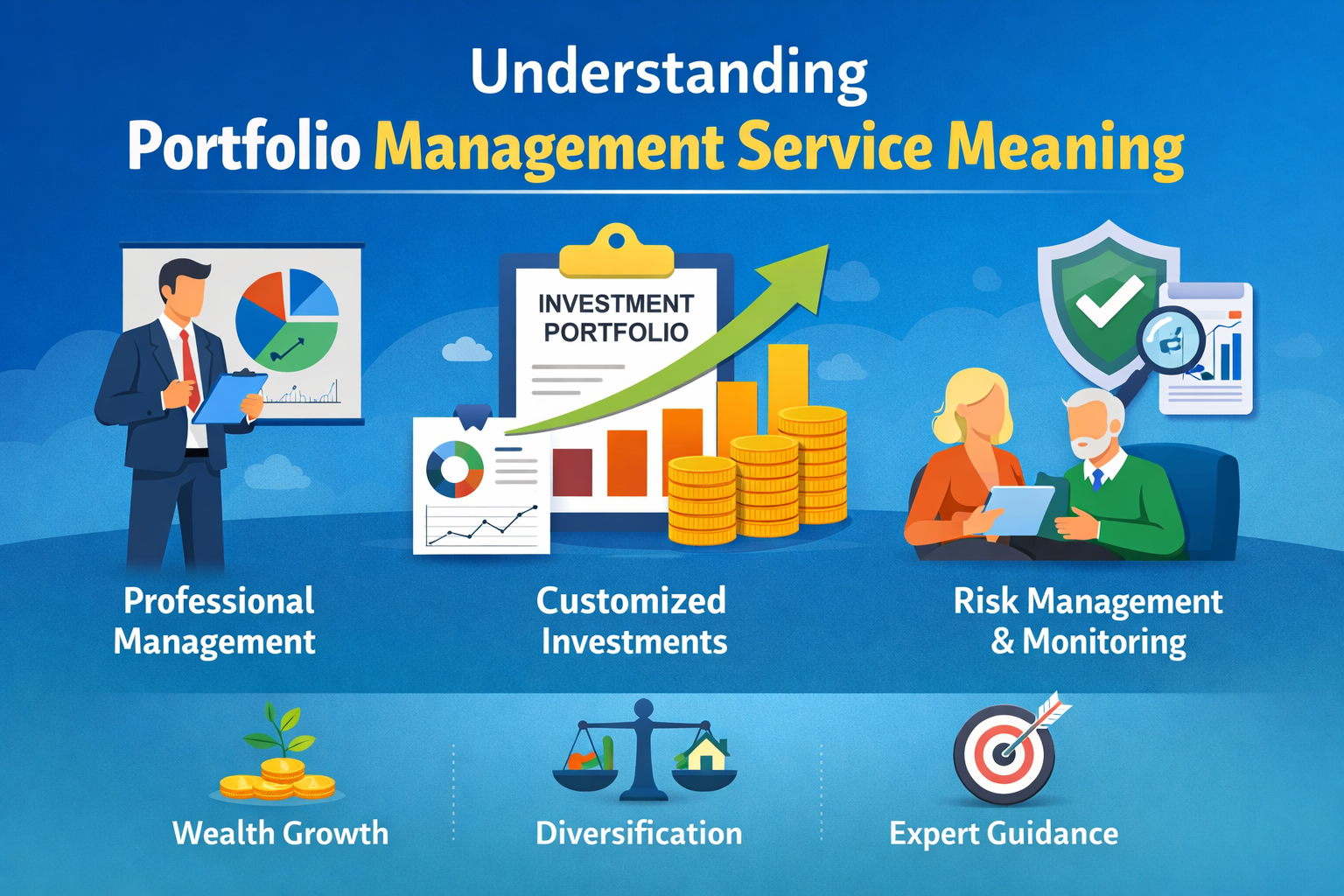

Introduction: Understanding Multi-Asset Portfolio Management
A portfolio manager’s job is to balance risk and return while ensuring that investors achieve their long-term financial goals. One of the most effective strategies used in modern investment management is the creation of a multi-asset portfolio, a diversified mix of equities, bonds, commodities, cash equivalents, and alternative investments. Many people wonder “why would a portfolio manager create a multi-asset portfolio?”, and the answer lies in the flexibility and stability that this type of structure provides. Multi-asset portfolios allow managers to adapt to market conditions, reduce exposure to single-market risks, and take advantage of opportunities across global asset classes.
At its core, a multi-asset portfolio leverages diversification, which has become a key pillar of modern investing. By spreading the investment across different asset categories, the portfolio manager reduces the impact of volatility in any one area. This approach becomes especially valuable in unpredictable markets, where relying on a single asset class can expose investors to significant losses. A well-constructed multi-asset portfolio aims to deliver stable returns over time while minimizing downside risks, making it one of the most preferred strategies for both conservative and growth-oriented investors.
1. Reducing Risk Through Diversification
One of the primary reasons why a portfolio manager would create a multi-asset portfolio is risk reduction. When investments are concentrated in a single asset class, such as stocks, the entire portfolio becomes vulnerable to market downturns. But when the manager diversifies across bonds, commodities, real estate, and cash equivalents, each asset class behaves differently under changing market conditions. This reduces the overall volatility and protects the investor from severe market drops. Diversification ensures that even if one part of the market performs poorly, another asset class may offset the loss.
The goal of diversification is not just to spread money across different investments but to balance how each asset reacts to economic events. For example, during periods of high inflation, commodities may perform better, while bonds often act as a safety net during recessionary phases. A multi-asset approach allows the portfolio manager to create a risk-adjusted structure that can weather various market cycles. This broad-based stability is one of the strongest arguments for choosing multi-asset portfolios over single-asset strategies.
2. Achieving More Stable and Consistent Returns
Investors often prefer returns that are steady and predictable rather than dramatic highs followed by sharp declines. A multi-asset strategy helps portfolio managers deliver this consistency. By spreading investments across different asset classes, the portfolio can capture moderate returns from each category instead of depending heavily on the performance of one. Over time, this leads to smoother growth and fewer fluctuations. This is a major reason why a portfolio manager would create a multi-asset portfolio, especially for long-term wealth building.
Consistent returns also help investors stay disciplined and avoid panic-driven decisions. When investors see stability in their portfolio performance, they are less likely to withdraw funds during downturns or chase high-risk opportunities during bull markets. The portfolio manager’s balanced approach ensures that the long-term objective remains intact. With the right combination of growth and safety assets, a multi-asset portfolio can outperform single-category investments over extended periods.
3. Flexibility to Adapt to Market Conditions
Financial markets are never static, and economic cycles can shift quickly. A portfolio manager creates a multi-asset portfolio to maintain the flexibility needed to adjust to these conditions. For example, if stock markets become overvalued, the manager can reallocate funds to bonds or commodities. If inflation rises, real assets and gold may become more favorable. This ability to pivot across asset classes helps optimize performance and manage risks effectively.
The dynamic structure of a multi-asset portfolio also helps managers take advantage of global opportunities. For instance, when international equities outperform domestic markets, the manager can allocate a portion of assets overseas. Similarly, if interest rates fall, fixed-income investments with longer durations may deliver attractive returns. By analyzing market trends and making timely adjustments, portfolio managers keep the portfolio aligned with the investor’s financial goals, regardless of economic uncertainties.
4. Meeting Different Investor Goals and Preferences
Every investor has unique goals—some want growth, others seek stability, and many prefer income-generating investments. A multi-asset portfolio gives the portfolio manager the ability to build a customized structure that suits each investor’s risk tolerance and financial objectives. Whether the client is planning for retirement, funding a child’s education, or simply aiming for long-term wealth accumulation, a diversified multi-asset approach can be tailored to match specific needs.
This versatility is a key reason why portfolio managers create multi-asset portfolios for both institutional and individual clients. The manager can adjust the ratio of equities, bonds, and alternative investments based on the investor’s time horizon and comfort with risk. Conservative investors may receive a higher allocation to fixed-income assets, while aggressive investors may benefit from more exposure to equities. This flexibility ensures that the portfolio aligns with personal financial goals while maintaining professional risk management.
5. Balancing Short-Term Volatility With Long-Term Growth
Short-term market volatility is unavoidable, but a multi-asset portfolio helps balance it with long-term growth potential. Equities provide high growth over the long run but can be volatile. Bonds offer stability but deliver lower returns. Commodities and alternative investments help hedge against inflation and other unexpected events. By combining these asset classes, the portfolio manager creates a structure that can handle short-term market fluctuations without compromising long-term performance.
Many investors panic when the market drops suddenly, leading to emotional decisions that hurt their portfolios. A multi-asset strategy provides psychological comfort by showing more stable overall performance. Even when stocks crash, the presence of bonds or commodities softens the blow. This ability to balance risk and reward allows the portfolio manager to keep the investor focused on long-term objectives instead of reacting to temporary market shocks.
6. Taking Advantage of Global Investment Opportunities
The world economy is interconnected, and growth often comes from unexpected regions or sectors. A multi-asset portfolio allows the manager to explore global opportunities beyond the local market. For example, if emerging markets show strong potential, the manager can allocate funds there for higher returns. Similarly, global bonds or commodities may outperform domestic investments during specific economic cycles, offering unique benefits.
Global diversification also reduces geographical risk. If one country faces political or economic turmoil, assets in other regions may remain stable or even grow. This worldwide exposure is another strong reason why portfolio managers prefer multi-asset portfolios. It ensures that the investor is not limited by the performance of a single market and can benefit from global trends, innovation, and economic expansion wherever it occurs.
Conclusion: Why a Multi-Asset Portfolio Makes Sense
A multi-asset portfolio is one of the most powerful tools used by portfolio managers to deliver balanced, stable, and long-term results. By spreading investments across multiple asset classes, the manager reduces risk, ensures consistent returns, and maintains the flexibility to adapt to market changes. This approach also helps meet diverse investor goals, balance volatility, and unlock global opportunities. These factors clearly explain why a portfolio manager would create a multi-asset portfolio to ensure sustainable financial growth.
Whether you are new to investing or looking to improve your existing strategy, understanding the value of multi-asset portfolios is essential. They offer a perfect mix of security, growth, and adaptability. With the right portfolio manager and a well-structured multi-asset strategy, you can achieve financial goals more confidently and with much greater stability. This investment approach continues to gain popularity because it works—especially in today’s unpredictable and rapidly changing world.