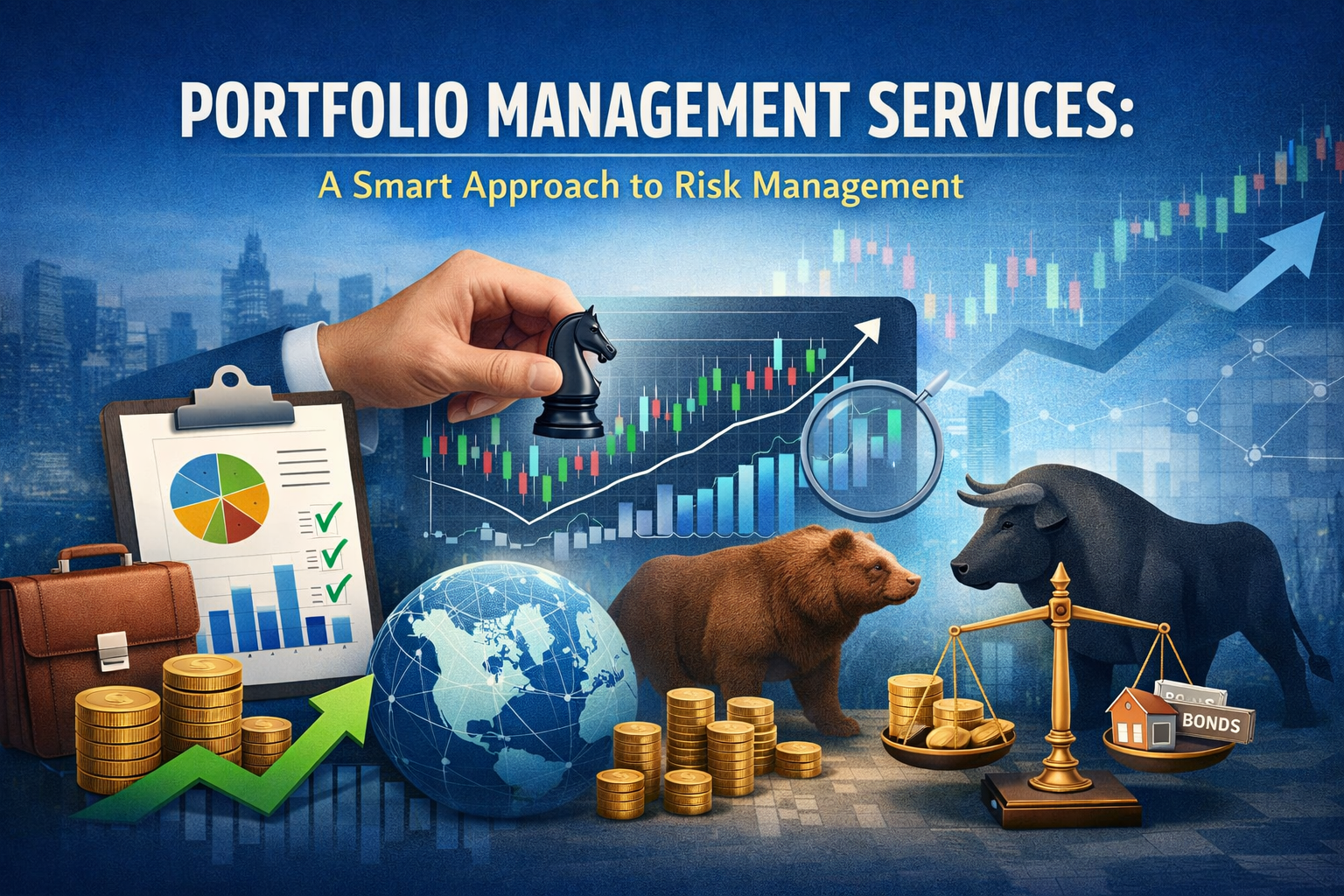

Introduction: Why Crypto Diversification Matters More Than Ever
Cryptocurrency markets are known for their volatility, and this volatility can be both rewarding and risky. As digital assets continue to grow in popularity, many investors are beginning to understand the importance of diversification. Learning how to diversify crypto portfolio for risk management is essential for protecting your capital while still taking advantage of high-growth opportunities. Diversification is not just an investment strategy—it is your safety net against unpredictable market swings. Whether you’re a beginner or a seasoned trader, a balanced crypto portfolio can reduce overall risk exposure and improve long-term stability.
In simple words, diversification means not putting all your money into a single coin or project. Crypto markets move differently depending on trends, regulations, and global events. If one asset performs poorly, others may grow or remain stable, helping you maintain consistent returns. This allows you to avoid big losses and build a healthier financial future. As the crypto landscape becomes more complex, understanding how to diversify smartly can give you a strong edge. In this guide, we will break down practical strategies, smart allocation methods, and tips to reduce risk while maximizing growth potential.
What Does Crypto Diversification Really Mean?
Diversification in crypto is slightly different from traditional markets like stocks or real estate. With crypto, you spread your investments across different types of coins, sectors, market caps, and risk levels. This helps prevent a single coin’s sudden crash from destroying your entire portfolio. Knowing how to diversify crypto portfolio for risk management includes understanding the purpose of each asset you hold. Some coins provide stability, some offer long-term growth, while others are high-risk, high-reward opportunities. The goal is to create a mix that balances safety and profitability.
In crypto, diversification can also include investing in different blockchain technologies such as DeFi tokens, metaverse coins, Layer-1 blockchains, and utility tokens. Each category reacts differently to market conditions, making it easier to manage risks. Diversification does not mean buying a huge number of coins randomly. Instead, it means selecting assets that behave independently, so your portfolio remains protected during uncertain times. When done correctly, diversification gives you higher chances of consistent and long-term profits.
Why Diversification Helps in Risk Management
One of the biggest advantages of diversification is reducing your exposure to volatility. The crypto market can drop 10–20% in a day, and without diversification, your entire investment might sink. That’s why learning how to diversify crypto portfolio for risk management is crucial, especially for beginners. Diversification spreads your risk across multiple coins, reducing the chances that one bad asset will drag your whole portfolio down. It also helps maintain a smoother growth curve instead of extreme ups and downs.
Another major benefit is protection from unexpected events such as exchange hacks, regulatory announcements, blockchain failures, or developer issues. If you only invest in one asset, any negative event could affect you severely. But with a diversified portfolio, other assets may balance out the loss. Over time, diversification helps build confidence and consistency, making your crypto journey less stressful. It’s a long-term approach that ensures your money continues to grow even in tough market conditions.
Diversify by Market Cap (Large, Mid & Small Caps)
Market capitalization is one of the most important categories for diversification. Large-cap cryptocurrencies like Bitcoin and Ethereum are known to be relatively stable and less risky. Including large-cap coins in your portfolio provides a solid foundation and reduces unexpected losses. When learning how to diversify crypto portfolio for risk management, starting with 40–50% in large caps is generally a smart approach. These coins offer strong market reputation, high liquidity, and long-term reliability.
Mid-cap and small-cap cryptocurrencies can offer higher growth potential but come with more risk. Mid-caps can add balance and moderate growth, while small-caps can deliver explosive returns when chosen wisely. However, relying too heavily on small-cap coins can increase your chances of losses. A balanced approach might look like 30% in mid-caps and 20% in small-caps. This structure helps capture growth opportunities while still keeping your risk under control. It ensures your portfolio can grow without unnecessary volatility.
Diversify Across Crypto Sectors (Layer-1, DeFi, Metaverse & More)
Different crypto sectors behave differently based on market cycles. Layer-1 blockchains like Solana or Avalanche focus on network infrastructure and usually provide long-term stability. DeFi tokens react to lending, borrowing, and staking trends, making them useful for investors seeking utility-based growth. Knowing how to diversify crypto portfolio for risk management also means understanding the importance of cross-sector investing. It prevents your entire portfolio from relying on one industry or trend.
Metaverse, gaming, and AI-based crypto projects are fast-growing sectors with huge potential. However, they are also more volatile and unpredictable compared to Layer-1 blockchains. Spreading your investments across these categories ensures you capture growth opportunities without exposing yourself to unnecessary risks. You can choose 40% for infrastructure projects, 30% for DeFi tokens, and 30% for emerging sectors like metaverse or AI. This blend helps balance risk, innovation, and rewards effectively.
Geographical Diversification (Global Blockchain Exposure)
Geographical diversification refers to investing in crypto projects built across different countries and regions. Every region has its own regulations, adoption rate, and technological advancements. By diversifying globally, you avoid over-dependence on a single country’s policies. This becomes extremely important when learning how to diversify crypto portfolio for risk management, especially because governments can influence crypto prices heavily with new laws or restrictions.
Projects based in the US, Europe, and Asia often bring different strengths to the crypto ecosystem. For example, Asian projects are known for fast innovation, while European projects often focus on sustainability and security. By spreading your crypto investments across different regions, you increase your chances of holding assets that perform well under various economic conditions. This strategy adds an extra layer of protection and increases your long-term resilience in an unpredictable market.
Diversify by Utility (Store of Value, Smart Contracts, Payments & NFTs)
Crypto assets serve different purposes, and understanding their utility is key to diversification. Bitcoin works mainly as a store of value, while Ethereum and other smart contract platforms offer a foundation for decentralized apps. Payment-focused coins like Litecoin or XRP are designed for fast and low-cost transactions. Including various utility types helps you manage risk and increases your portfolio’s stability. This is an important part of learning how to diversify crypto portfolio for risk management, as not all crypto assets react the same way during market changes.
NFTs, gaming tokens, and governance tokens also add new dimensions to a diversified portfolio. While these categories can be riskier, they offer opportunities for high returns when chosen correctly. A diversified utility-based portfolio ensures that even if one type of asset goes down, others remain unaffected. This makes your overall investment stronger and better prepared for market fluctuations. Choosing 25–30% store-of-value assets, 40% smart contracts, and the rest in utility tokens can create a balanced mix.
Stablecoins: The Ultimate Risk Buffer
Stablecoins act as a safety net in the crypto world. They are tied to stable assets like the US Dollar, making them less volatile and ideal for protecting your profits during market downturns. When understanding how to diversify crypto portfolio for risk management, it’s wise to allocate at least 10–20% of your investment to stablecoins such as USDT, USDC, or DAI. They help you switch positions quickly without leaving the crypto ecosystem, giving you flexibility during volatile market phases.
Stablecoins also allow you to earn passive income through staking, lending, or providing liquidity. They offer stability and consistent returns, making them a smart addition to any diversified portfolio. Keeping a certain percentage in stablecoins ensures you have liquidity available when market dips offer buying opportunities. This reduces emotional stress and helps you make decisions more confidently during market fluctuations.
Diversify Across Risk Levels (Low, Medium & High Risk Assets)
To effectively manage risk, you need to categorize your investments into low, medium, and high-risk assets. Low-risk assets like Bitcoin provide stability, medium-risk assets offer steady growth, and high-risk tokens deliver aggressive returns. Understanding how to diversify crypto portfolio for risk management involves creating a structured allocation where no single risk category dominates your portfolio. A good example may be 50% low-risk, 30% medium-risk, and 20% high-risk assets.
By doing this, you ensure that even if your high-risk assets perform poorly, your low-risk assets protect your overall investment. This reduces your chances of facing huge losses and gives you more confidence to invest in promising but risky projects. It also helps you stay calm during sudden market drops, as your portfolio is not overly dependent on one type of asset.
Rebalancing: The Secret to Long-Term Success
Rebalancing means adjusting your portfolio regularly to maintain your original investment ratio. For example, if your high-risk assets grow too fast and take up more space, you sell some and reinvest into stable assets. This protects your portfolio from overexposure and keeps your risk levels under control. Understanding how to diversify crypto portfolio for risk management becomes complete when you learn the importance of rebalancing.
Market conditions change constantly, and rebalancing ensures you stay on track with your long-term strategy. Many experts suggest rebalancing every 30, 60, or 90 days, depending on your investment style. This method ensures your portfolio doesn’t drift into a high-risk zone unintentionally. Rebalancing keeps your investment safe, predictable, and aligned with your goals.
Conclusion: Build a Strong & Safe Crypto Portfolio
Diversification is not optional—it is the foundation of safe and smart crypto investing. By learning how to diversify crypto portfolio for risk management, you protect yourself from unexpected market swings and increase your chances of long-term success. From market cap diversification to utility-based allocation, every strategy plays a role in building a strong portfolio. The goal is to balance safety, growth, and innovation while avoiding unnecessary risk.
A well-diversified crypto portfolio gives you confidence and stability in an unpredictable market. Start small, stay consistent, and keep your portfolio balanced with smart choices. By applying these diversification strategies, you’ll be better prepared to face volatility and build wealth over time. Your crypto journey becomes smoother, safer, and more rewarding when you diversify wisely.