
Introduction to Portfolio Management Services
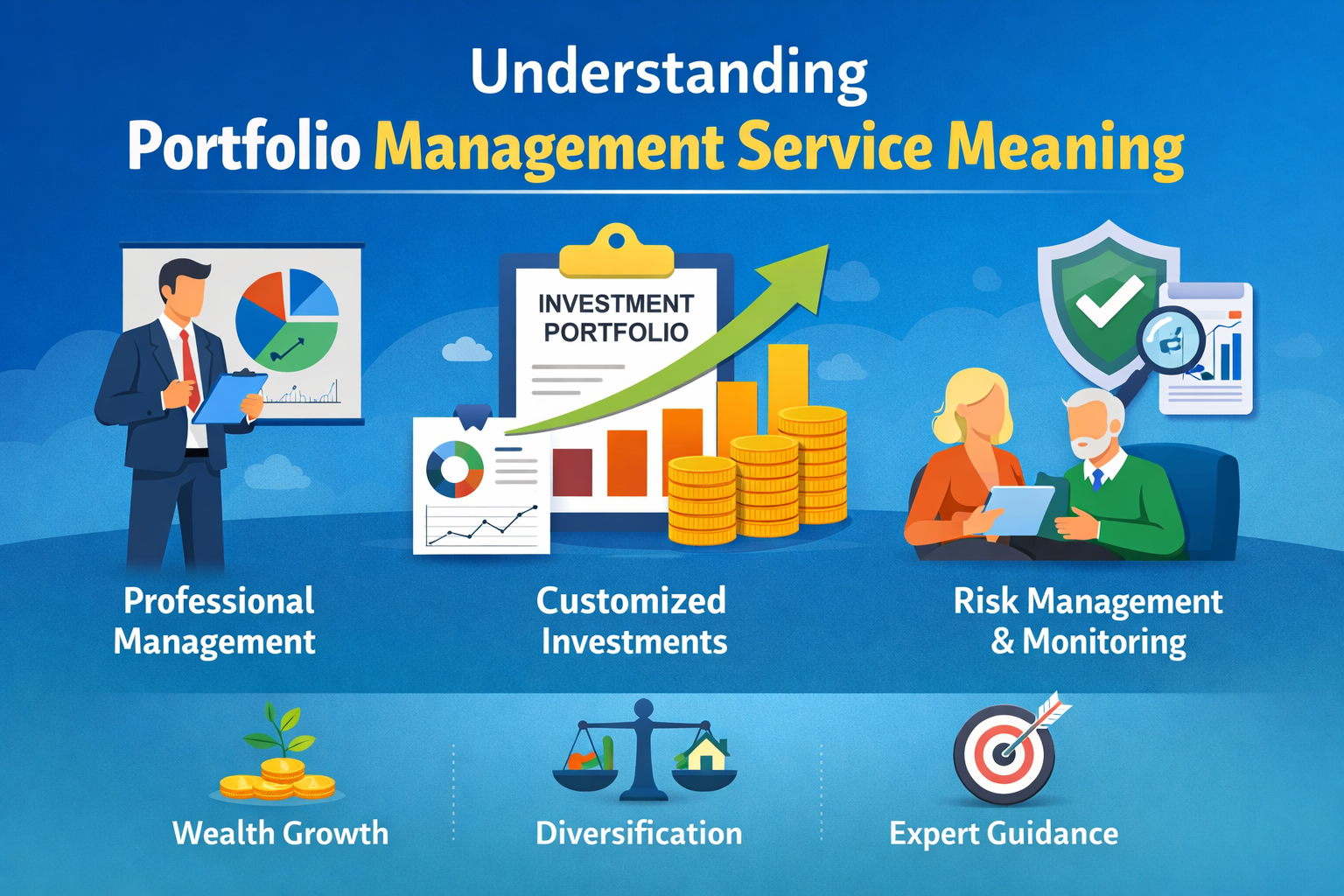
Portfolio Management Services (PMS) are professional investment solutions designed for high-net-worth individuals who want personalized and goal-oriented wealth management. Unlike mutual funds, where money is pooled and invested collectively, Portfolio Management Services offer customized portfolios tailored to an investor’s risk appetite, financial goals, and time horizon. These services are managed by experienced portfolio managers who actively monitor market movements and make informed investment decisions on behalf of clients.
In today’s volatile and complex financial markets, managing investments independently can be challenging and time-consuming. Portfolio Management Services bridge this gap by providing expert-driven strategies, disciplined asset allocation, and continuous portfolio rebalancing. Investors benefit from professional expertise, structured decision-making, and direct ownership of securities, which adds transparency and control. PMS is particularly suitable for investors seeking long-term capital appreciation, tax efficiency, and a strategic approach rather than short-term speculation.
As awareness grows and investors demand more tailored financial solutions, Portfolio Management Services have become increasingly popular. However, before opting for PMS, it is essential to understand how it works, its types, benefits, risks, fee structures, and whether it aligns with your financial objectives. This comprehensive guide covers everything investors need to know to make an informed decision.
How Portfolio Management Services Work
Portfolio Management Services operate through a structured process that begins with understanding the investor’s financial profile. The portfolio manager conducts a detailed assessment covering income, assets, liabilities, investment goals, risk tolerance, and investment horizon. Based on this analysis, a personalized investment strategy is created, focusing on asset allocation across equities, debt, cash, or alternative investments.
Once the strategy is finalized, investments are executed in the investor’s name, ensuring direct ownership of securities. This is a key differentiator of Portfolio Management Services compared to mutual funds. The portfolio manager actively tracks market conditions, company fundamentals, and macroeconomic indicators to optimize returns while managing risk. Regular reviews and rebalancing ensure that the portfolio remains aligned with the investor’s goals.
Clients receive periodic reports detailing portfolio performance, holdings, and transaction history, ensuring transparency. Many PMS providers also offer direct access to portfolio managers for discussions and strategy updates. This personalized engagement allows investors to stay informed and confident about their investments. Overall, Portfolio Management Services combine expertise, customization, and disciplined execution to deliver a holistic investment experience.
Types of Portfolio Management Services
Portfolio Management Services are broadly classified into discretionary and non-discretionary services. In discretionary Portfolio Management Services, the portfolio manager has full authority to make investment decisions on behalf of the client. The investor does not need to approve individual transactions, making this option suitable for those who prefer a hands-off approach while relying on professional expertise.
Non-discretionary Portfolio Management Services, on the other hand, involve shared decision-making. The portfolio manager recommends investment opportunities, but execution happens only after client approval. This model is ideal for investors who want expert guidance but prefer to stay actively involved in decision-making. Both types offer customization, but the level of control differs significantly.
Additionally, Portfolio Management Services can be categorized based on investment strategy, such as equity-focused PMS, debt PMS, hybrid PMS, or theme-based PMS. Some PMS strategies focus on value investing, while others emphasize growth, momentum, or sector-specific opportunities. Choosing the right type of Portfolio Management Services depends on individual preferences, risk appetite, and long-term financial goals.
Key Benefits of Portfolio Management Services
One of the most significant advantages of Portfolio Management Services is personalization. Unlike standardized investment products, PMS portfolios are tailored to individual investor needs. This customization allows for better alignment with financial goals, whether it is wealth creation, income generation, or capital preservation. Personalized strategies also help manage risk more effectively.
Another major benefit is professional expertise. Portfolio Management Services are handled by experienced fund managers and research teams who analyze markets, industries, and companies in depth. Their disciplined approach helps avoid emotional investment decisions, which are often driven by fear or greed. Active monitoring and timely rebalancing further enhance portfolio performance.
Transparency is another key advantage of Portfolio Management Services. Investors have direct ownership of securities and can view real-time holdings and performance reports. This level of clarity builds trust and confidence. Additionally, PMS can be more tax-efficient than frequent individual trading, as portfolio managers optimize transactions with a long-term perspective. For serious investors, these benefits make PortfolioManagement Services a compelling choice.
Risks Associated with Portfolio Management Services
While PortfolioManagement Services offer numerous advantages, they are not risk-free. Market risk remains a primary concern, as portfolios are exposed to fluctuations in equity and debt markets. Even the most experienced portfolio managers cannot completely eliminate the impact of economic downturns or unexpected global events.
Another risk is concentration risk. Since PMS portfolios are customized and may hold a limited number of stocks, underperformance of a few securities can significantly impact overall returns. This is different from mutual funds, which typically have broader diversification. Investors must be comfortable with short-term volatility and understand that returns may vary over time.
Manager risk is also an important factor to consider. The performance of Portfolio Management Services largely depends on the skill, experience, and strategy of the portfolio manager. Poor decision-making or deviation from stated investment philosophy can affect outcomes. Therefore, due diligence, understanding the investment approach, and setting realistic expectations are crucial before investing in PMS.
Fee Structure of Portfolio Management Services
The fee structure of PortfolioManagement Services is different from traditional investment products. PMS providers typically charge either a fixed management fee, a performance-based fee, or a combination of both. The fixed fee is calculated as a percentage of assets under management, regardless of portfolio performance.
Performance-based fees are linked to returns generated above a predefined benchmark or hurdle rate. This structure aligns the interests of the portfolio manager with those of the investor, as higher returns lead to higher compensation. However, it is essential to understand the fee calculation method clearly, including high-water mark provisions, to avoid surprises.
Apart from management fees, investors may also incur brokerage charges, custodian fees, audit fees, and taxes. While Portfolio Management Services may appear costlier than mutual funds, the value lies in personalization, professional management, and strategic execution. Investors should evaluate fees in relation to potential benefits and long-term objectives rather than focusing solely on cost.
Who Should Invest in Portfolio Management Services
PortfolioManagement Services are best suited for high-net-worth individuals who have a substantial investable surplus and seek customized investment solutions. Investors with long-term financial goals, such as wealth creation, retirement planning, or legacy planning, can benefit significantly from PMS.
These services are ideal for individuals who lack the time, expertise, or inclination to manage investments actively. By delegating portfolio management to professionals, investors can focus on their careers or businesses while their wealth is managed strategically. PMS also appeals to investors who value transparency, direct ownership, and personalized engagement.
However, PortfolioManagement Services may not be suitable for beginners or those with limited capital. The minimum investment requirement and exposure to market volatility require a certain level of financial maturity. Investors should assess their risk tolerance, investment horizon, and expectations before opting for PMS.
Portfolio Management Services vs Mutual Funds
PortfolioManagement Services and mutual funds are often compared, but they serve different investor needs. Mutual funds pool money from multiple investors and follow a standardized investment strategy. In contrast, PortfolioManagement Services offer personalized portfolios tailored to individual goals and preferences.
Another key difference lies in transparency and ownership. In PMS, investors directly own the securities, whereas mutual fund investors own units of the fund. This direct ownership allows better visibility into portfolio holdings and transactions. PMS also offers flexibility in strategy, asset allocation, and tax planning, which is limited in mutual funds.
However, mutual funds are more accessible due to lower investment requirements and broader diversification. PortfolioManagement Services, while offering higher customization, come with higher costs and risk concentration. Choosing between the two depends on investment size, desired involvement, and long-term objectives.
How to Choose the Right Portfolio Management Services Provider
Selecting the right PortfolioManagement Services provider is crucial for investment success. Investors should evaluate the provider’s track record, investment philosophy, and consistency of performance across market cycles. Understanding how returns are generated is more important than focusing solely on past performance.
The experience and credibility of the portfolio manager play a vital role. Investors should assess the manager’s expertise, research capabilities, and risk management approach. Transparency in reporting, communication frequency, and accessibility are also key factors that enhance the overall investment experience.
Finally, investors should review the fee structure, exit terms, and compliance with regulatory standards. A well-aligned PortfolioManagement Services provider acts as a long-term partner in wealth creation rather than just an investment manager. Thorough due diligence ensures that expectations and strategies remain aligned.
Conclusion: Is Portfolio Management Services Right for You?
PortfolioManagement Services offer a sophisticated and personalized approach to investing, making them an attractive option for serious investors. With professional expertise, tailored strategies, and disciplined execution, PMS can help achieve long-term financial goals more efficiently than self-managed investments.
However, investors must understand that PortfolioManagement Services involve market risks, higher costs, and the need for patience. It is not a guaranteed-return product but a strategic wealth management solution designed for long-term growth. Setting realistic expectations and choosing the right provider are essential steps.
Ultimately, Portfolio Management Services are best suited for investors who value customization, transparency, and professional management. If your financial profile and goals align with these features, PMS can be a powerful tool in your wealth creation journey.