
Introduction to Portfolio Management Scheme (PMS)
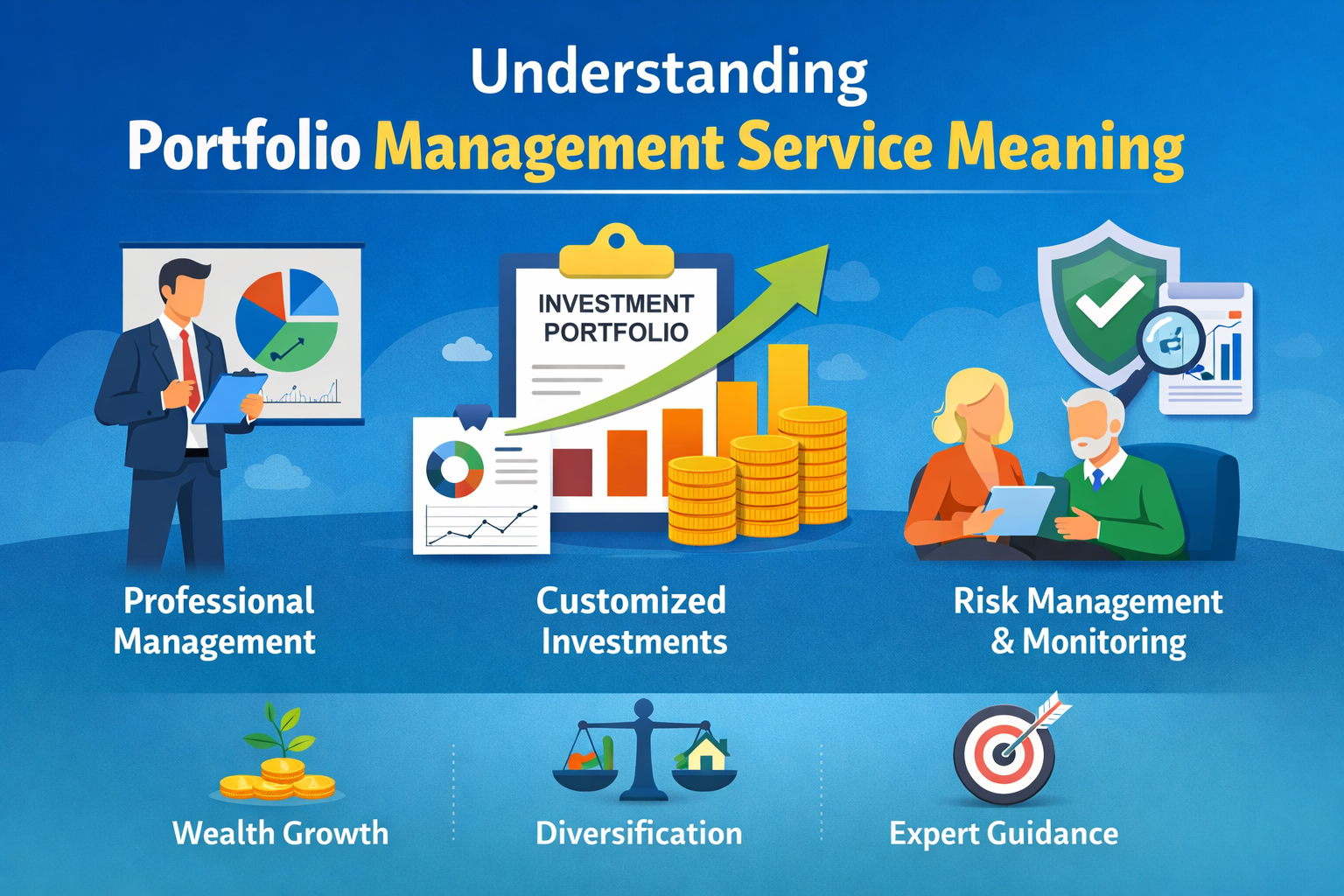
A Portfolio Management Scheme (PMS) is a specialized investment service offered by professional portfolio managers who design and manage an investment portfolio on behalf of investors. Unlike mutual funds, where fund managers handle pooled money from multiple investors, PMS allows customization according to an investor’s financial goals, risk appetite, and investment horizon. PMS is typically chosen by high-net-worth individuals (HNIs) who prefer personalized investment strategies backed by professional expertise. The goal is to create long-term wealth while keeping risks balanced and controlled.
In India, PMS is regulated by the Securities and Exchange Board of India (SEBI), ensuring transparency, compliance, and investor protection. Investors usually receive detailed statements, performance reports, and real-time access to their portfolios. PMS can involve equity, debt, real estate-linked investments, or hybrid structures. With its flexible structure, transparent reporting, and personalized approach, PMS is considered a premium investment option for serious wealth management.
How Does a Portfolio Management Scheme Work?
A Portfolio Management Scheme works by assigning a professional portfolio manager or investment firm to handle your investments in a structured and goal-oriented manner. Once you sign up for PMS, the manager analyzes your financial goals, risk tolerance, income level, and investment horizon. Based on this analysis, they create a tailored investment strategy that suits your long-term objectives. Unlike mutual funds, PMS allows you to own stocks directly in your name, offering better transparency and control.
The PMS provider executes trades, monitors market conditions, rebalances your portfolio, and provides timely updates to ensure that your investments remain aligned with financial goals. Investors receive contract notes, performance statements, tax reports, and other documentation regularly. PMS usually involves a mix of research-based strategies, advanced risk management tools, and active decision-making to optimize returns. Because of its personalized nature, it is considered a more sophisticated investment vehicle.
Types of Portfolio Management Schemes
PMS is broadly classified into three major types: Discretionary PMS, Non-Discretionary PMS, and Advisory PMS. In Discretionary PMS, the portfolio manager has full authority to make investment decisions on behalf of the investor. They can buy or sell securities based on research and market movements without taking prior approval. This type suits investors who prefer a hands-off approach and trust the expertise of the fund manager.
In Non-Discretionary PMS, the portfolio manager recommends investments, but the final decision lies with the investor. It is ideal for investors who want to stay involved in the investment process. Advisory PMS only provides suggestions on what to invest in, and all transactions are carried out entirely by the investor. This structure gives complete control to the investor while still benefiting from expert guidance. Understanding these types helps investors choose the PMS model that aligns best with their investment style.
Benefits of Portfolio Management Scheme (PMS)
One of the biggest advantages of PMS is personalization. The investment strategy is tailored according to the investor’s goals, risk profile, and expectations. This level of customization is rarely available in traditional investment products like mutual funds. PMS also provides the advantage of focused portfolios where fund managers invest in a limited number of high-conviction stocks, allowing for potential higher returns. Additionally, PMS offers real-time visibility of holdings, enhancing transparency.
Professional management is another key benefit. PMS providers employ deep research, data analytics, and market expertise to make informed investment decisions. Investors also receive detailed reports including tax statements, performance analysis, and portfolio insights. The ability to choose between discretionary and non-discretionary models gives investors flexibility and control. PMS often aims for long-term wealth creation with disciplined investment strategies, making it suitable for high-net-worth individuals.
Eligibility & Minimum Investment Requirements for PMS
As per SEBI regulations, the minimum investment amount required for PMS in India is ₹50 lakhs. This ensures that only serious investors with sufficient capital opt for this service. PMS is ideal for individuals who want personalized investment management and have long-term wealth creation goals. Investors must also complete KYC verification, provide financial documents, and agree to PMS terms and conditions. Many PMS providers also assess risk profile and financial background before onboarding clients.
Apart from this, PMS accounts can be opened through leading banks, brokerage firms, and registered portfolio managers. Investors have full ownership of the securities purchased in their name. The PMS provider manages the account professionally and charges fees for the same. Although PMS requires higher capital compared to mutual funds, many investors prefer it due to the personalized experience, advanced research, and goal-oriented investment structure.
Fee Structure in Portfolio Management Scheme
PMS providers generally charge two types of fees: Management Fees and Performance Fees. Management fees are fixed charges applied annually, usually ranging from 1% to 3% of the investment value. Performance fees, on the other hand, are charged only when the portfolio generates returns above a predefined benchmark or hurdle rate. This ensures the manager’s interests remain aligned with those of the investor, promoting better performance.
Besides these, investors may incur additional costs such as brokerage charges, audit fees, custodian fees, and statutory taxes. The exact fee structure varies from provider to provider, and investors should review all charges carefully before signing up. Transparent disclosure of costs helps investors make informed decisions. A well-structured fee model ensures both the investor and the portfolio manager benefit from consistent portfolio growth.
PMS vs. Mutual Funds: Key Differences
While both PMS and mutual funds aim to grow an investor’s wealth, they differ significantly in structure and approach. In mutual funds, investors pool their money, and the fund manager manages a common portfolio. But in PMS, each investor has a separate, customized portfolio, providing more control and flexibility. PMS investors also get real-time ownership of securities, whereas mutual fund investors hold units rather than direct stocks.
Mutual funds are more accessible since they allow smaller investments, while PMS requires a substantial minimum investment of ₹50 lakhs. Mutual funds have predefined investment mandates, while PMS strategies can be modified based on an investor’s needs. PMS also has the potential for higher returns due to focused strategies, but it comes with higher risk and cost. Understanding these differences helps investors choose the right wealth-building vehicle.
Who Should Invest in a Portfolio Management Scheme?
PMS is ideal for high-net-worth individuals, experienced investors, and people who prefer personalized investment strategies. If you want more control over your holdings, real-time portfolio visibility, and a dedicated professional managing your wealth, PMS is a suitable choice. It is also recommended for individuals with long-term wealth creation goals who are comfortable with market-linked risks.
Investors with complex financial goals, diverse income streams, or those looking for a disciplined investment approach can benefit significantly from PMS. Since the minimum investment is high, PMS attracts serious investors who understand that wealth creation requires consistency, patience, and expert guidance. Before investing, individuals should assess their risk tolerance, financial expectations, and comfort with market volatility.
Conclusion: Is PMS the Right Investment for You?
A Portfolio Management Scheme (PMS) offers personalized, transparent, and professionally managed investment solutions designed for long-term wealth creation. Its customized approach, expert decision-making, and focused portfolio structure make it a powerful wealth-management tool for high-net-worth individuals. With SEBI regulations ensuring investor protection and clear reporting, PMS has emerged as a trusted investment option in India.
However, PMS is best suited for investors who can allocate at least ₹50 lakhs, understand market risks, and prefer a more hands-on view of their investment strategy. If you are looking for personalized wealth management backed by expert portfolio managers, PMS can be an excellent choice. Evaluate your financial goals, risk appetite, and expectations before choosing the right PMS provider to maximize your long-term returns.