Introduction to Strategic Portfolio Management
Strategic Portfolio Management (SPM) is the structured approach organizations use to align their project investments with long-term business goals. Instead of treating projects individually, SPM views them as part of a broader portfolio where each initiative must contribute to the company’s vision, profitability, and market position. It helps leaders prioritize what truly matters by evaluating every project’s strategic value, resource requirements, and potential risks. This ensures that businesses do not waste time or money on projects that deliver little return or do not support organizational objectives.
In today’s competitive and rapidly changing business environment, companies face constant pressure to innovate, reduce operational inefficiencies, and scale effectively. Strategic Portfolio Management plays a vital role in balancing these demands by providing a framework to manage competing priorities. It ensures that organizations invest in initiatives that support long-term strategic growth rather than short-term gains. As a result, businesses operate with more clarity, agility, and confidence—making better decisions even in unpredictable markets.
Why Strategic Portfolio Management Is Important
Strategic Portfolio Management is important because it helps companies ensure that every initiative contributes toward overall business success. Many organizations struggle to separate essential projects from low-impact activities, which leads to wasted resources and slow progress. SPM solves this problem by offering tools and processes to make decisions based on data, business value, and strategic alignment. Leaders can evaluate whether a project drives revenue, improves efficiency, enhances customer experience, or strengthens market advantage.
Another major benefit is the ability to identify risks early and avoid unnecessary failures. Through continuous evaluation and analysis, SPM highlights underperforming initiatives and allows organizations to pivot quickly. This means businesses can reallocate budgets, shift resources, or discontinue projects that no longer support strategic objectives. Ultimately, Strategic Portfolio Management empowers organizations to remain agile, make informed decisions, and improve their chances of achieving long-term growth.
Key Components of Strategic Portfolio Management
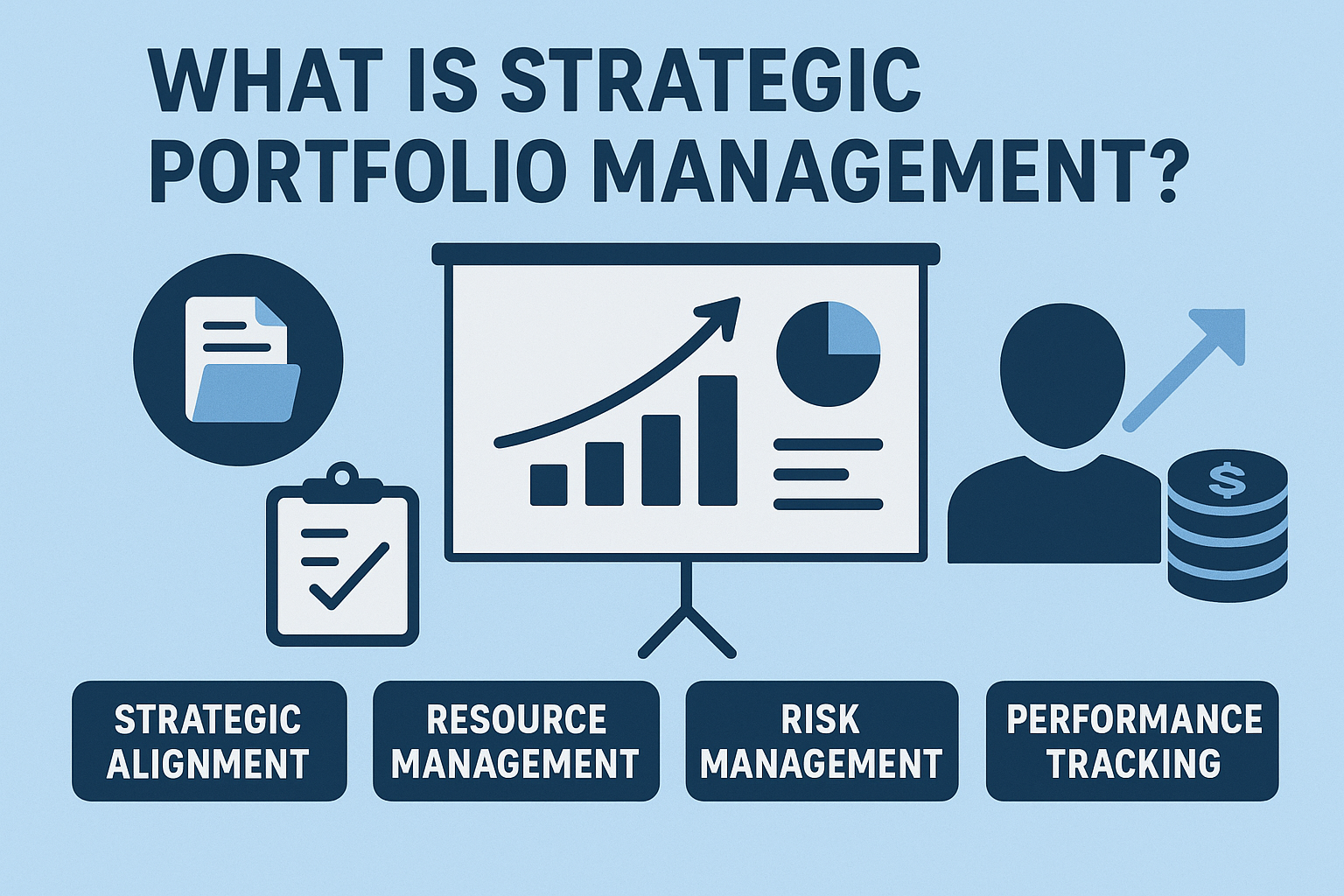
One of the core components of SPM is strategic alignment. This ensures that all projects and programs support the organization’s overarching mission and goals. Without alignment, businesses may launch multiple projects that look promising individually but fail to deliver collective value. Another critical component is resource management, which includes allocating people, budgets, and technology effectively. Proper resource planning ensures that high-priority projects receive the attention and funding required for success.
Risk management is also a major pillar of Strategic Portfolio Management. It involves identifying, analyzing, and minimizing risks associated with each project. Organizations can use risk scoring methods to determine which initiatives may face challenges and require more support. Additionally, performance tracking plays an essential role by monitoring progress, evaluating results, and identifying whether projects are on the right path. Together, these components form a strong foundation for effective decision-making and portfolio optimization.
How Strategic Portfolio Management Works
Strategic Portfolio Management works through a combination of planning, prioritization, and continuous evaluation. The process starts with understanding the company’s strategic objectives—whether improving customer satisfaction, launching new products, or expanding into new markets. Once the goals are defined, organizations evaluate their existing and proposed projects to see which initiatives best support these goals. This evaluation includes considering cost, expected benefits, required resources, and potential risks.
After prioritizing projects, organizations create a balanced portfolio that maximizes value and minimizes unnecessary risks. However, SPM is not a one-time process—it requires constant monitoring. As market conditions and business priorities change, the portfolio must be reviewed and adjusted. This flexibility ensures that companies stay aligned with the latest opportunities and challenges. By following this method, organizations make smarter investments and improve their chances of achieving long-term strategic success.
Benefits of Strategic Portfolio Management
The biggest benefit of Strategic Portfolio Management is improved decision-making. By analyzing projects from a strategic perspective, businesses can confidently choose initiatives that offer the highest value. This leads to better use of resources, increased productivity, and improved financial outcomes. SPM also encourages transparency within organizations by clearly showing which projects are active, how they are performing, and what results they are generating. This helps eliminate confusion and promotes teamwork across departments.
SPM also fuels innovation by ensuring that companies invest in future-focused initiatives. Instead of relying on intuition or outdated plans, leaders base their decisions on real data and strategic priorities. This reduces unnecessary risks and ensures that businesses stay competitive in fast-changing industries. Ultimately, Strategic Portfolio Management creates a disciplined, organized, and value-driven approach to delivering long-lasting business success.
Challenges in Implementing Strategic Portfolio Management
Implementing Strategic Portfolio Management comes with its challenges, especially for organizations that previously relied on traditional project management. One of the biggest difficulties is getting teams to adopt new processes and tools. Employees may resist change or feel overwhelmed by the detailed planning required in SPM. Organizations must invest in proper training and communication to ensure everyone understands the benefits and feels comfortable with the new system.
Another challenge is maintaining accurate data for decision-making. SPM relies heavily on real-time data to evaluate initiatives, track performance, and identify risks. If teams fail to update data or collect inaccurate information, the entire portfolio strategy can collapse. Additionally, organizations may struggle to balance strategic goals with day-to-day operations. Successful implementation requires strong leadership, continuous monitoring, and the ability to adapt quickly when strategies or market conditions shift.
Best Practices for Effective Strategic Portfolio Management
One of the best practices for SPM is to start with clear, measurable strategic goals. When leaders have well-defined objectives, it becomes easier to identify which projects support them and which do not. Organizations should use standardized evaluation criteria to assess every proposed project, ensuring decisions are consistent and unbiased. Regular portfolio review meetings can also help teams stay aligned and make adjustments when needed.
Another key best practice is to use modern portfolio management tools. These tools centralize project data, track performance, and simplify reporting. They also help businesses create visual dashboards that highlight risks, budgets, resource capacity, and project timelines. Along with technology, strong communication is essential. Teams must collaborate across departments to ensure transparency and shared understanding. By following these best practices, organizations can successfully implement SPM and achieve sustainable long-term growth.
Strategic Portfolio Management vs. Project Management
Strategic Portfolio Management and Project Management are closely related but serve different purposes. Project management focuses on executing a single project efficiently—ensuring it meets objectives, stays within budget, and is completed on time. It deals with the tactical side of delivering individual tasks and milestones. On the other hand, Strategic Portfolio Management takes a broader view. It ensures that multiple projects collectively align with the organization’s strategic goals.
While project managers handle daily operations and team coordination, portfolio managers work at a higher level. They prioritize initiatives, allocate resources, manage risks, and evaluate overall performance across all projects. Both disciplines are essential, but SPM ensures that organizations invest in the right initiatives rather than just completing projects efficiently. Together, they create a powerful framework for long-term business success.
Conclusion On What Is Strategic Portfolio Management
Strategic Portfolio Management is a crucial discipline for any organization seeking long-term growth, innovation, and competitive advantage. By evaluating and prioritizing projects based on strategic alignment, resources, risks, and expected outcomes, businesses can avoid wasteful spending and focus on initiatives that truly matter. SPM also enables agility, allowing companies to adapt quickly to changing market demands and opportunities.
In a world where businesses face constant pressure to innovate and stay ahead, Strategic Portfolio Management provides the clarity and structure needed to make effective decisions. By implementing the right processes, tools, and communication strategies, organizations can maximize value, improve performance, and achieve sustainable success. Understanding what strategic portfolio management is and how it works can be a game-changer for any business aiming to thrive in today’s fast-paced world.